
August 11, 2026 /
Tumor drug resistance remains the leading cause of cancer treatment failure. It is estimated that over 90% of cancer-related deaths can be attributed to resistance. Whether with conventional radio- or chemo-therapy, targeted therapy, or immunotherapy, tumour cells eventually develop Acquired Resistance after prolonged drug exposure, resulting in therapeutic insufficiency, relapse, and even metastasis. Moreover, some patients show no response to anticancer treatment from the very beginning – a condition known as Intrinsic (or de novo) Resistance.
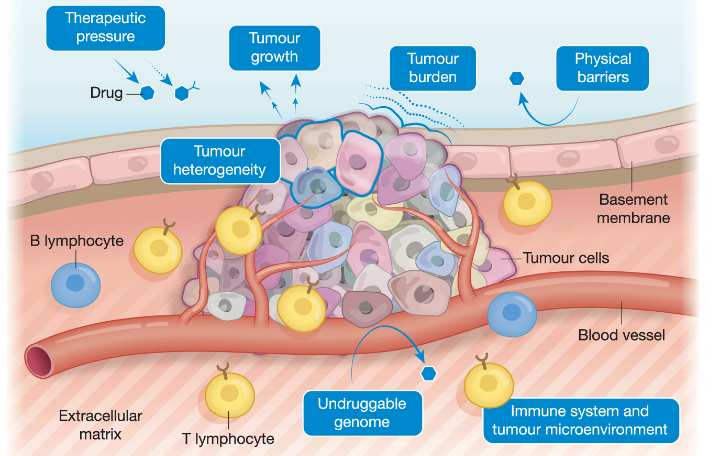
Nature 575, 299–309 (2019). Biological determinants of drug resistance.
Molecular mechanisms underlying drug resistance are complex and multifactorial, involving tumor heterogeneity, tumor microenvironment (TME), adaptive changes developed in growth signalling pathway under chronic drug pressure, upregulation of efflux pumps, activation of cancer stem cells (CSCs), and the emergence and expansion of drug-tolerant persister (DTP) cells.
Traditional two-dimensional (2D) cell culture models lack key elements such as the TME, cell-cell interaction, and in vivo tissue architecture, therefore fail to recapitulate the full landscape of drug resistance as it occurs in patients. Thus, establishing preclinical resistance models that closely mimic clinical resistance scenarios has become critical in both mechanistic research and for the development of novel agents to overcome resistance.
PharmaLegacy’s Drug Resistance Platform
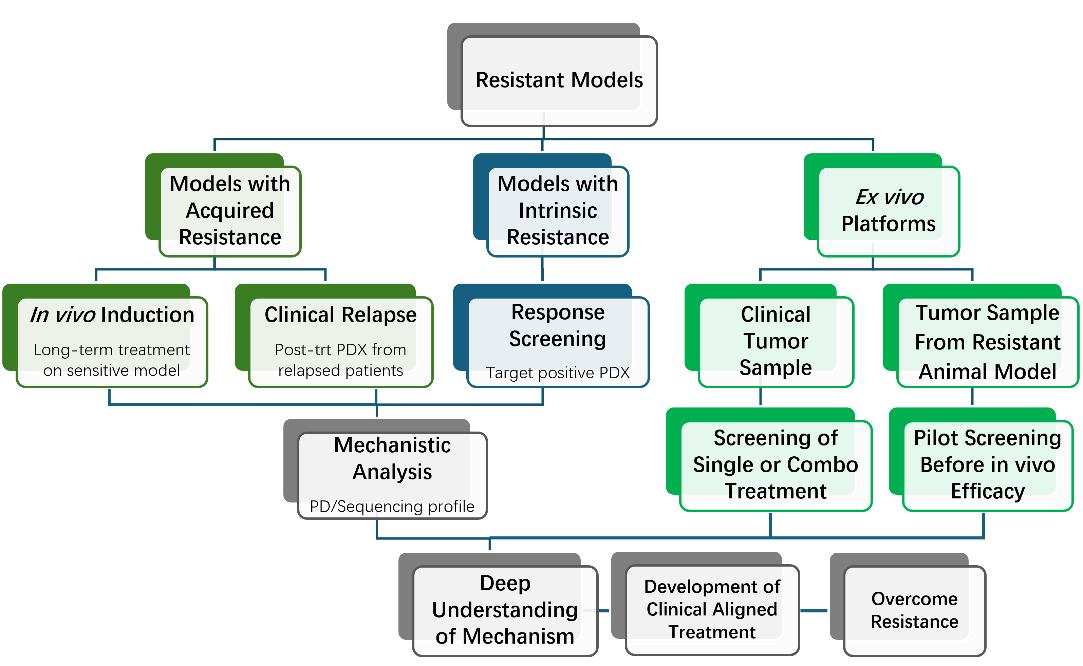
- Acquired resistance models are primarily established by in vivo induction, which best mimics the real-world process of acquired resistance in patients, trying to recapitulate the dynamic evolution of resistance at the molecular, cellular, and microenvironmental levels under therapeutic pressure. In addition, PDX models established using samples from relapsed patients are even more translationally oriented.
- Primary resistance models are mainly obtained by in vivo screening among target-positive PDX
In-depth mechanistic analysis and network-level interpretation of resistance pathways were built on multi-omic model profiling.
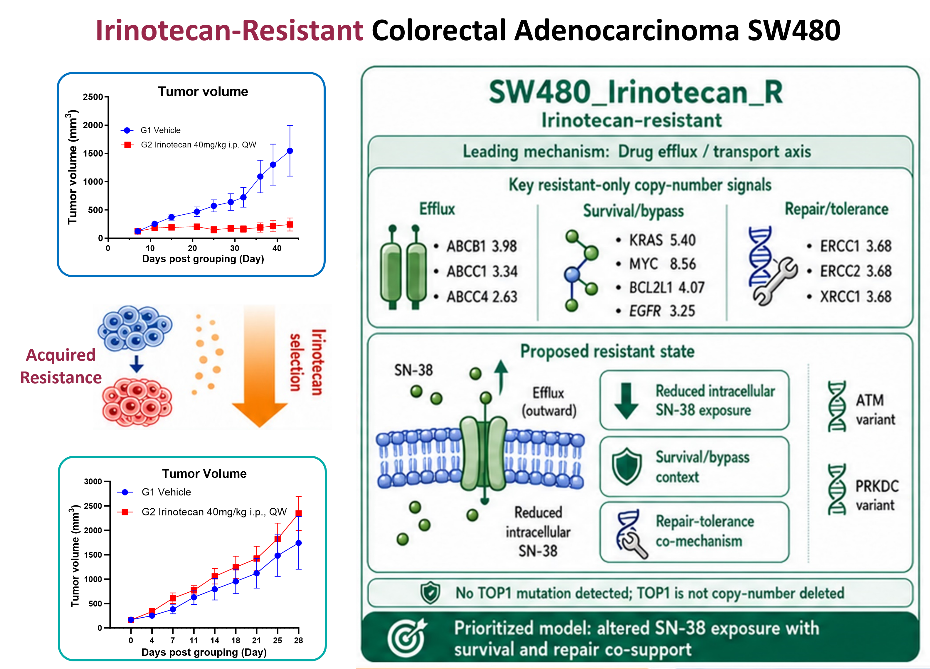
Case study: Acquired resistance model established by in vivo induction–Irinotecan-resistant colorectal cancer and resistance mechanism analysis
With the precisely pinpointed key nodes in the resistance network, stratified treatments can be better designed, which allows the most relevant intervention to potentiate therapeutic efficacy or reverse the drug resistance.
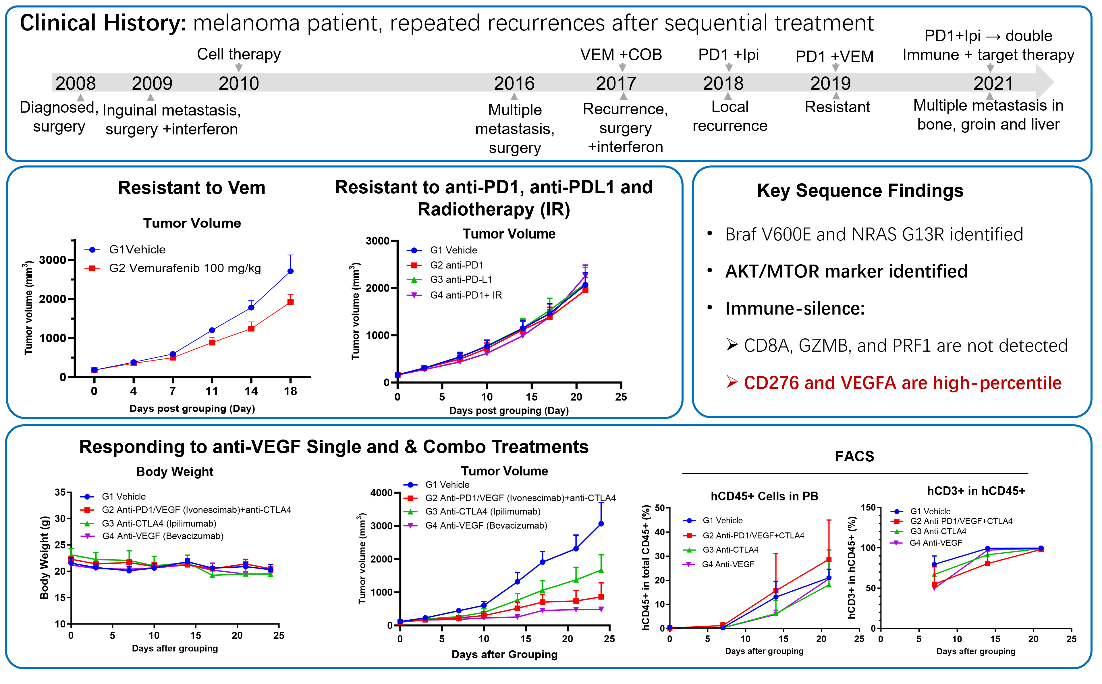
Case study: PDX model established from a melanoma patient with repeated recurrences after sequential treatments
The PDX established from relapsed melanoma patient displayed significant multidrug-resistance (MDR). Upregulated CD276 (B7-H3) and VEGFA were identified which supports the treatment strategies targeting B7-H3 and VEGFA. As shown in the bottom graph, this MDR PDX demonstrates strong sensitivity to anti-VEGF (Bevacizumab).
Besides the acquired resistance, intrinsic resistance – i.e., no response to initial treatment – poses an equally formidable barrier in clinical practice. It affects a broader range of cancer types, involving a larger patient population, and its mechanistic network is even more complex than that of acquired resistance. Currently, early screening and specific treatment strategies for intrinsic resistance remain insufficient, limiting the long-term benefits of targeted therapy and immunotherapy.
The combination of PDX microarrays, high-throughput immunohistochemistry (IHC), and ex vivo tissue culture platform forms an efficient PDX model screening platform – from target validation, drug sensitivity evaluation, understanding of resistance mechanism and ultimately the identification of clinically translatable treatment strategies.
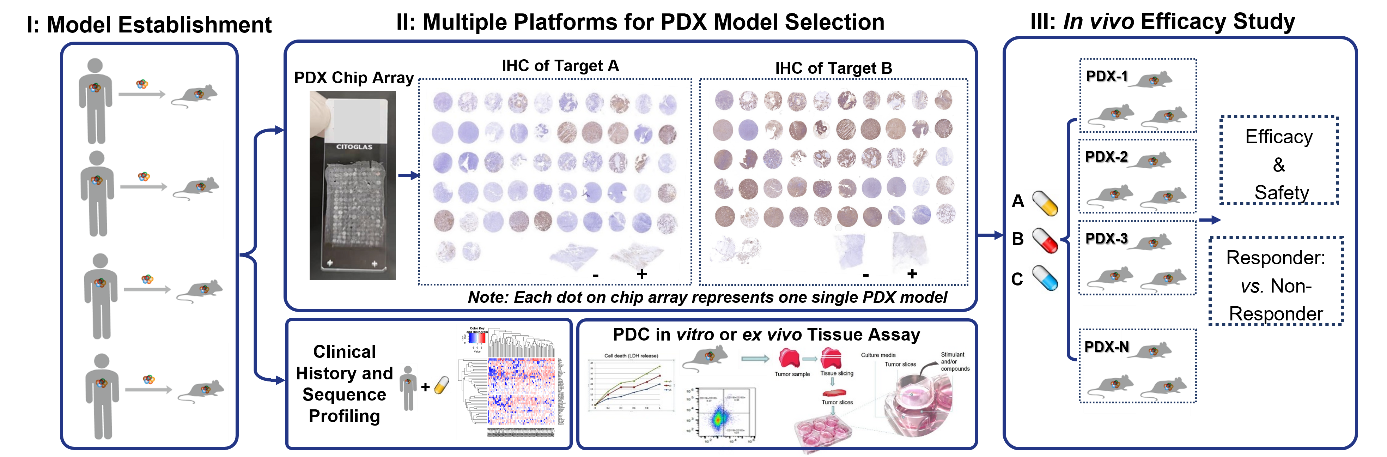
Integrated PDX model screening and efficacy evaluation system based on tissue microarray technology
Through a series of screening and validations, we have not only identified highly responsive models, significantly enhancing R&D efficiency, but also concurrently uncover models with typical intrinsic resistance, providing a solid model foundation for mechanism research.
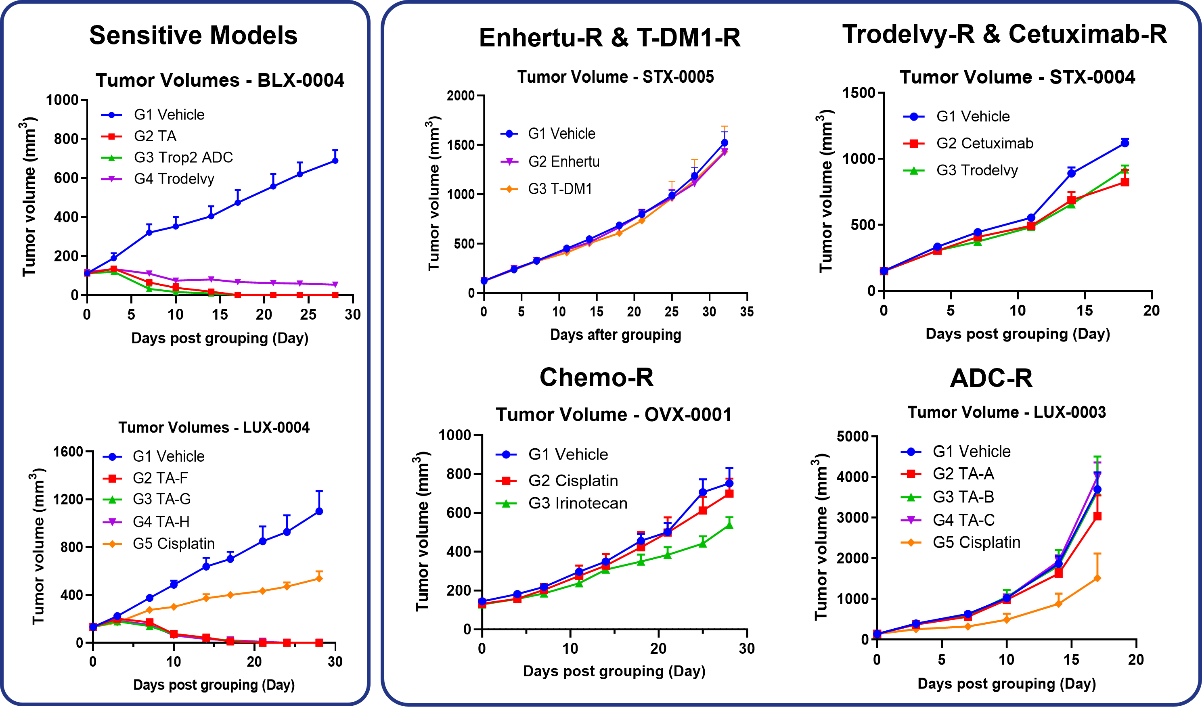
Case study: Representative sensitive and resistance models identified
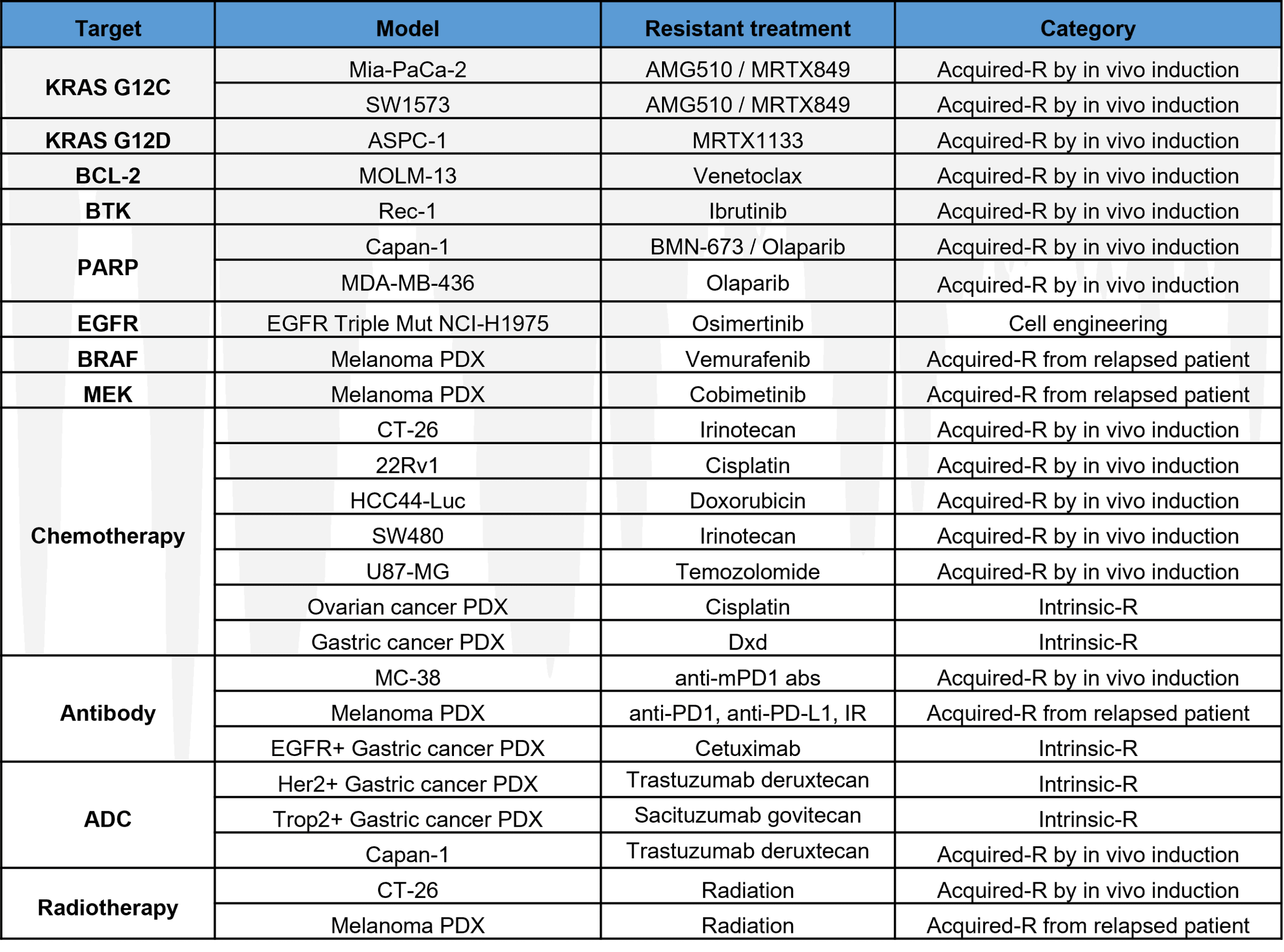
To date, Pharmalegacy’s Oncology and Immuno-Oncology platform offers more than 700 in vivo models, including CDX (300+), PDX (350+) and syngeneic models (50+), among these, 90+ are orthotopic & experimental metastasis models, 100+ are humanized (huPBMC or HSC) models and about 30 drug resistance models. We provide multi-omic profiling data for each resistance model and support in-depth bioinformatic analyses. This comprehensive platform significantly improves the translational efficiency of drug discovery and accelerates the path of more anti-resistance therapeutics to clinic.