
PRECLINICAL STUDIES ON PARKINSON'S DISEASE
PharmaLegacy’s expertly executed studies empower confident Parkinson’s pipeline decisions.
PHARMALEGACY HAS THE EXPERTISE AND MODELS YOU NEED TO ADVANCE YOUR PARKINSON’S DISEASE PROGRAM.

MODELS / SERVICES
Case Study - MPTP-induced Parkinson’s disease model in mouse & Endpoint Measurements
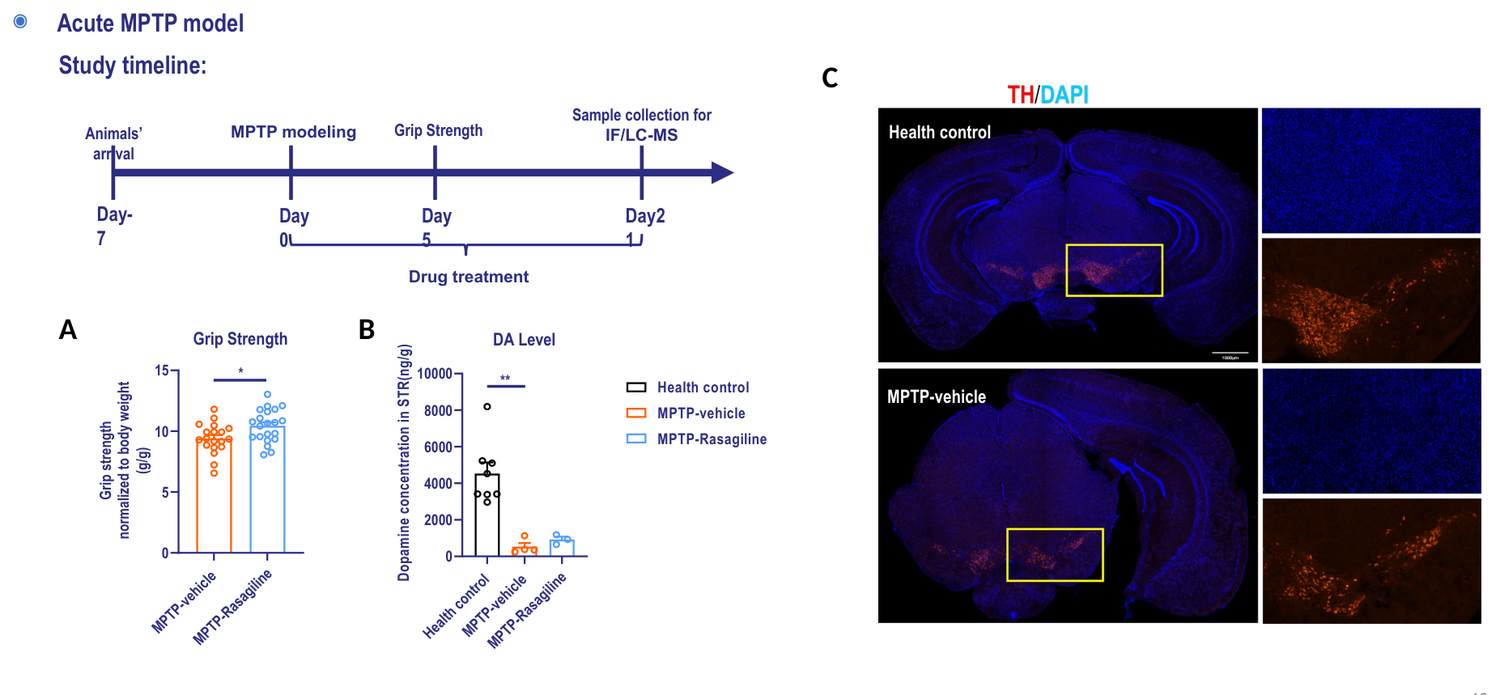
Acute MPTP model
Parkinson’s disease (PD) is the second most prevalent neurodegenerative disorder worldwide. Its hallmark pathological features include progressive loss of dopaminergic neurons in the substantia nigra pars compacta (SNpc) and the formation of Lewy bodies (LBs) within neuronal cytoplasm. For most PD patients, the exact etiology and molecular mechanisms underlying the death of nigrostriatal dopaminergic neurons remain elusive, and there are currently no disease-modifying therapies capable of halting or reversing disease progression.
The MPTP (1-methyl-4-phenyl-1,2,3,6-tetrahydropyridine)-induced animal model is one of the most widely used pharmacological efficacy models for preclinical anti-Parkinson drug research. Systemic administration of MPTP triggers pathological lesions in the nigrostriatal dopaminergic pathway. At PharmaLegacy, we have established a mouse PD model via acute intraperitoneal injection of MPTP. Using motor behavioral assessments, histopathological examination, as well as molecular and biochemical analyses, we evaluate the therapeutic efficacy of test compounds against MPTP-induced pathological phenotypes in this mouse PD model.
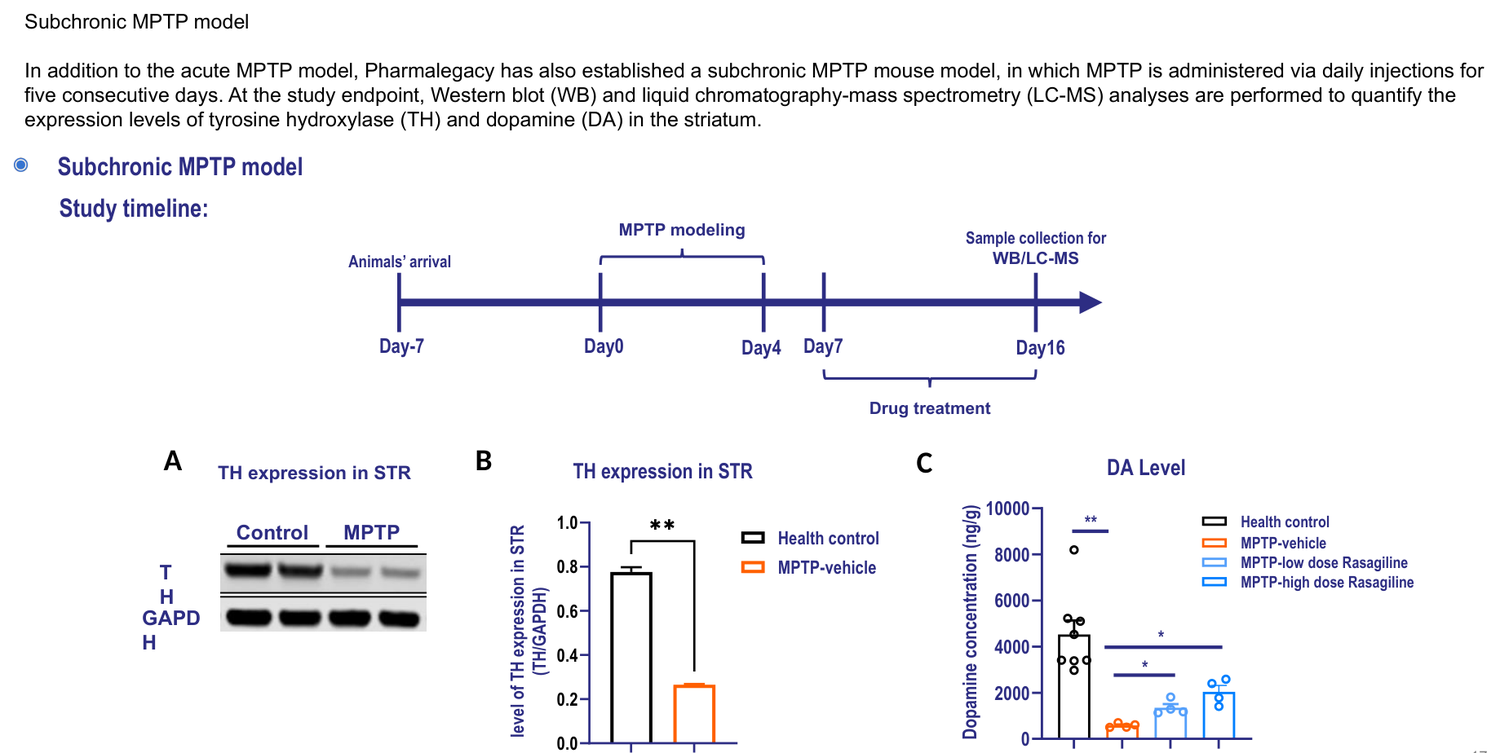
Subchronic MPTP model
In addition to the acute MPTP model, PharmaLegacy has also established a subchronic MPTP mouse model, in which MPTP is administered via daily injections for five consecutive days. At the study endpoint, Western blot (WB) and liquid chromatography-mass spectrometry (LC-MS) analyses are performed to quantify the expression levels of tyrosine hydroxylase (TH) and dopamine (DA) in the striatum.
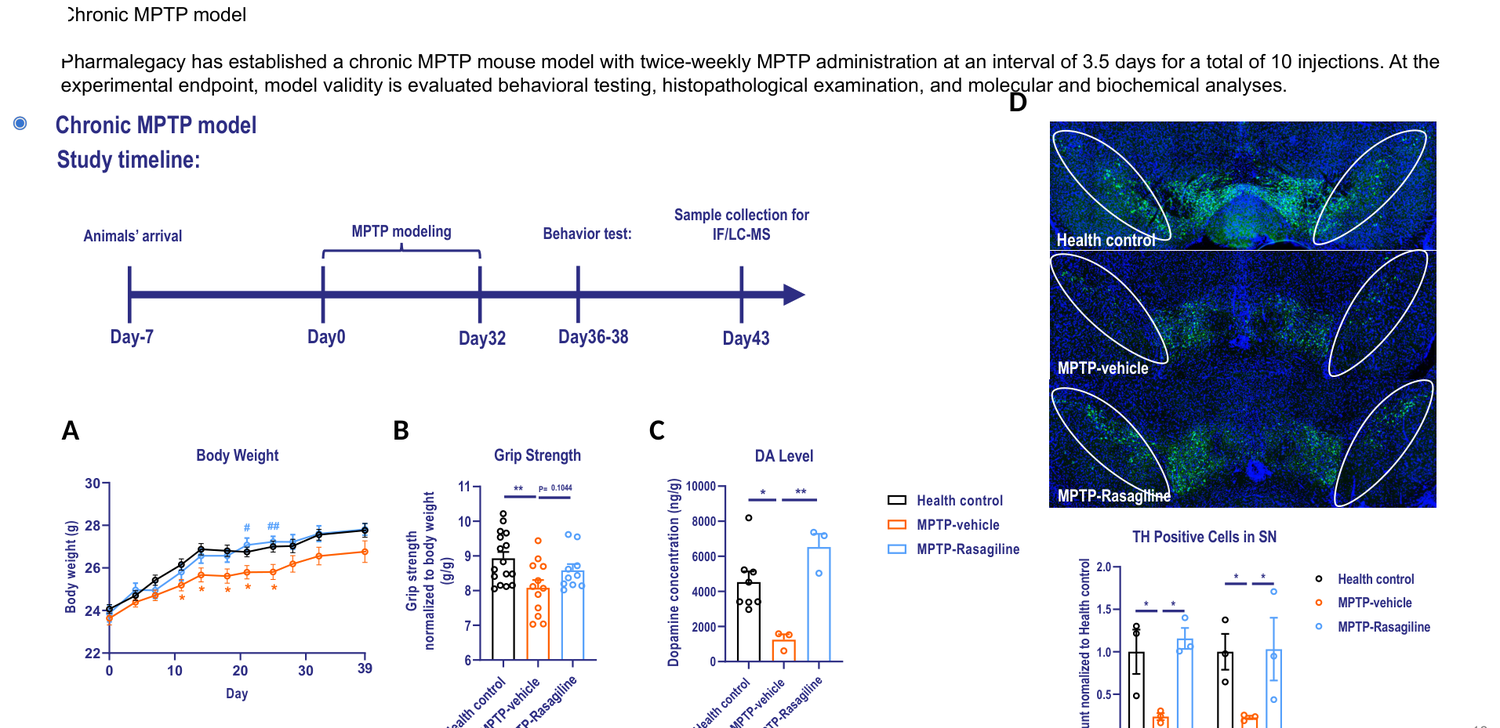
Chronic MPTP model
PharmaLegacy has established a chronic MPTP mouse model with twice-weekly MPTP administration at an interval of 3.5 days for a total of 10 injections. At the experimental endpoint, model validity is evaluated behavioral testing, histopathological examination, and molecular and biochemical analyses.
Acute MPTP Model
Subchronic MPTP Model
Chronic MPTP Model
Case Study - 6-OHDA-induced Parkinson’s disease model in rat & Endpoint Measurements
In Parkinson’s disease (PD) research, 6-hydroxydopamine (6-OHDA) is one of the most widely adopted neurotoxins for modeling dopaminergic (DA) neuronal degeneration. This lesion model is generated by stereotaxic injection of 6-OHDA into specific brain regions to selectively ablate dopaminergic neurons, resulting in hallmark PD-like motor manifestations including bradykinesia, rigidity and tremor. The 6-OHDA model is extensively applied to unravel pathophysiological mechanisms underlying PD, evaluate neuroprotective interventions, and screen potential therapeutic candidates.
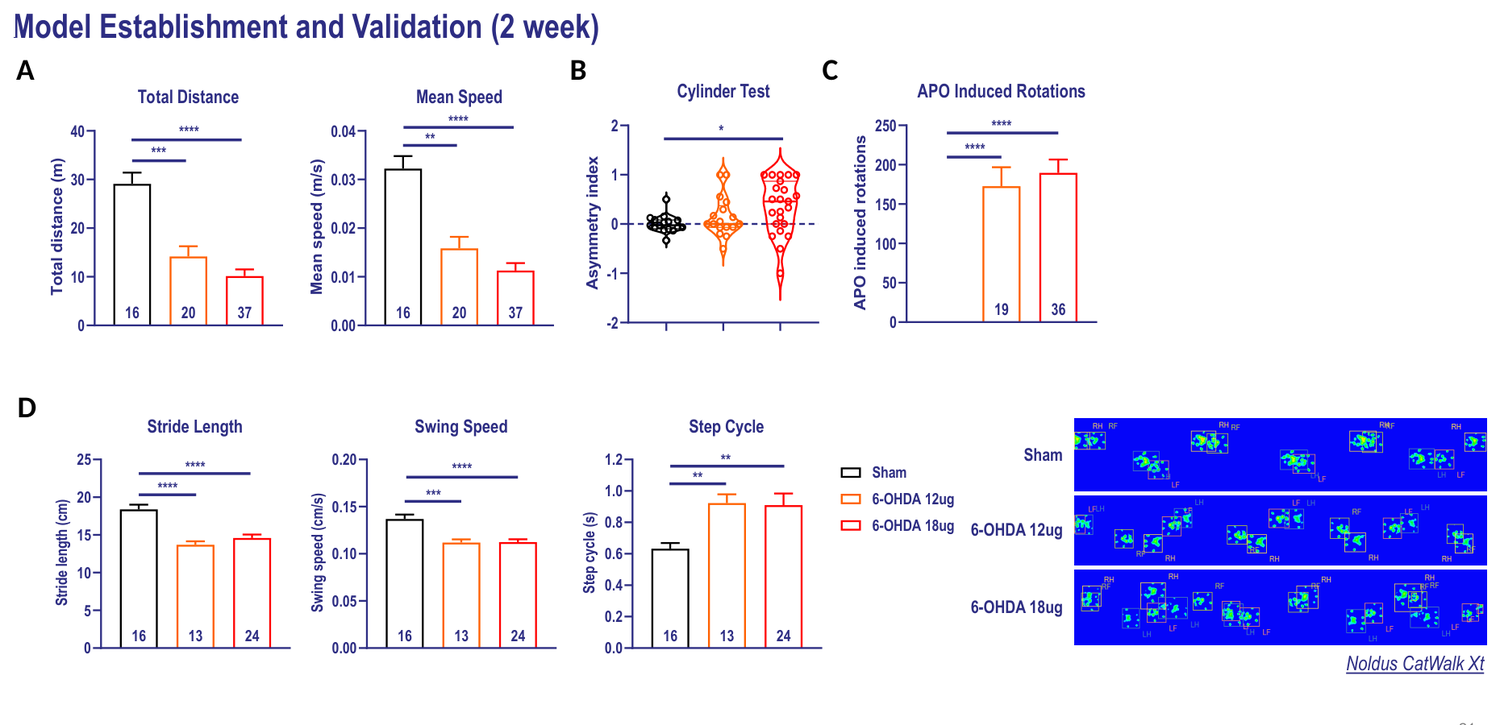
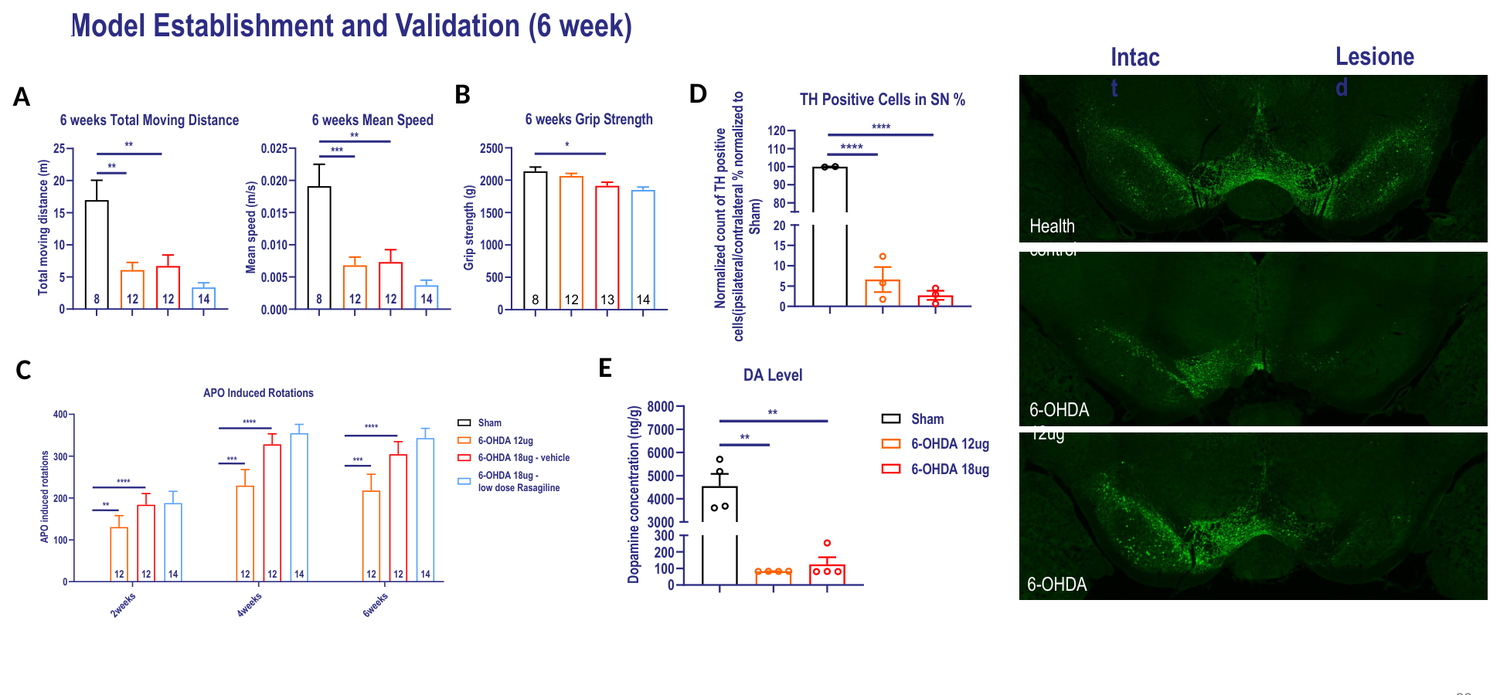
Among available preclinical PD models, the 6-OHDA-lesioned rodent model is regarded as the gold standard for recapitulating PD motor deficits as well as levodopa-induced dyskinesia (LID), owing to its excellent reproducibility and favorable clinical translatability. PharmaLegacy has established a 6-OHDA-induced PD rat model. Two weeks post-model establishment, we conduct open field test, cylinder test, rotarod test and gait analysis to verify model success.
PharmaLegacy adopted rasagiline as a positive control drug for pharmacodynamic evaluation based on the 6-OHDA-induced rat PD model. Drug efficacy was assessed through behavioral tests. Meanwhile, histopathological detection and molecular biochemical assays were conducted at the experimental endpoint to confirm the success of model establishment.
Model Establishment & Validation (2 Weeks)
Model Establishment & Validation (6 Weeks)
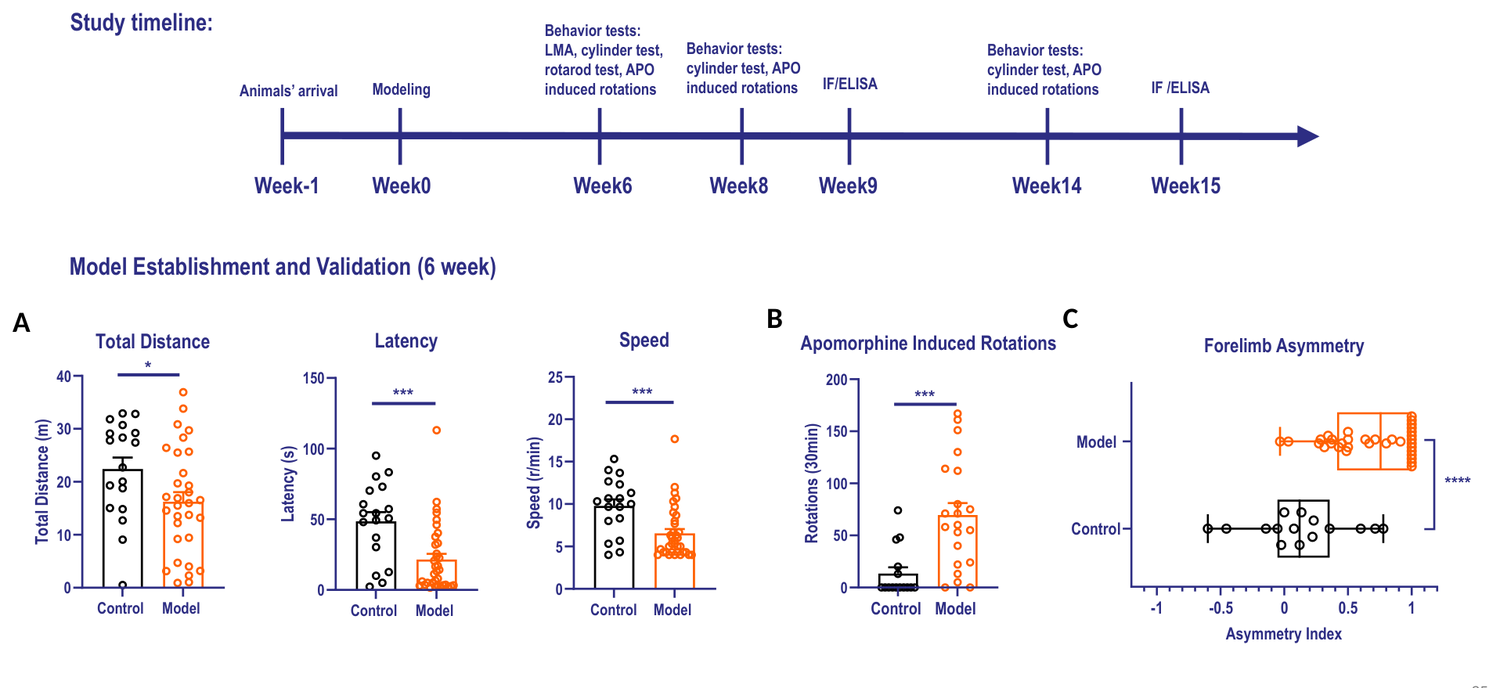
Case Study - AAV-SNCA + PFF Parkinson’s disease model in rat & Endpoint Measurements
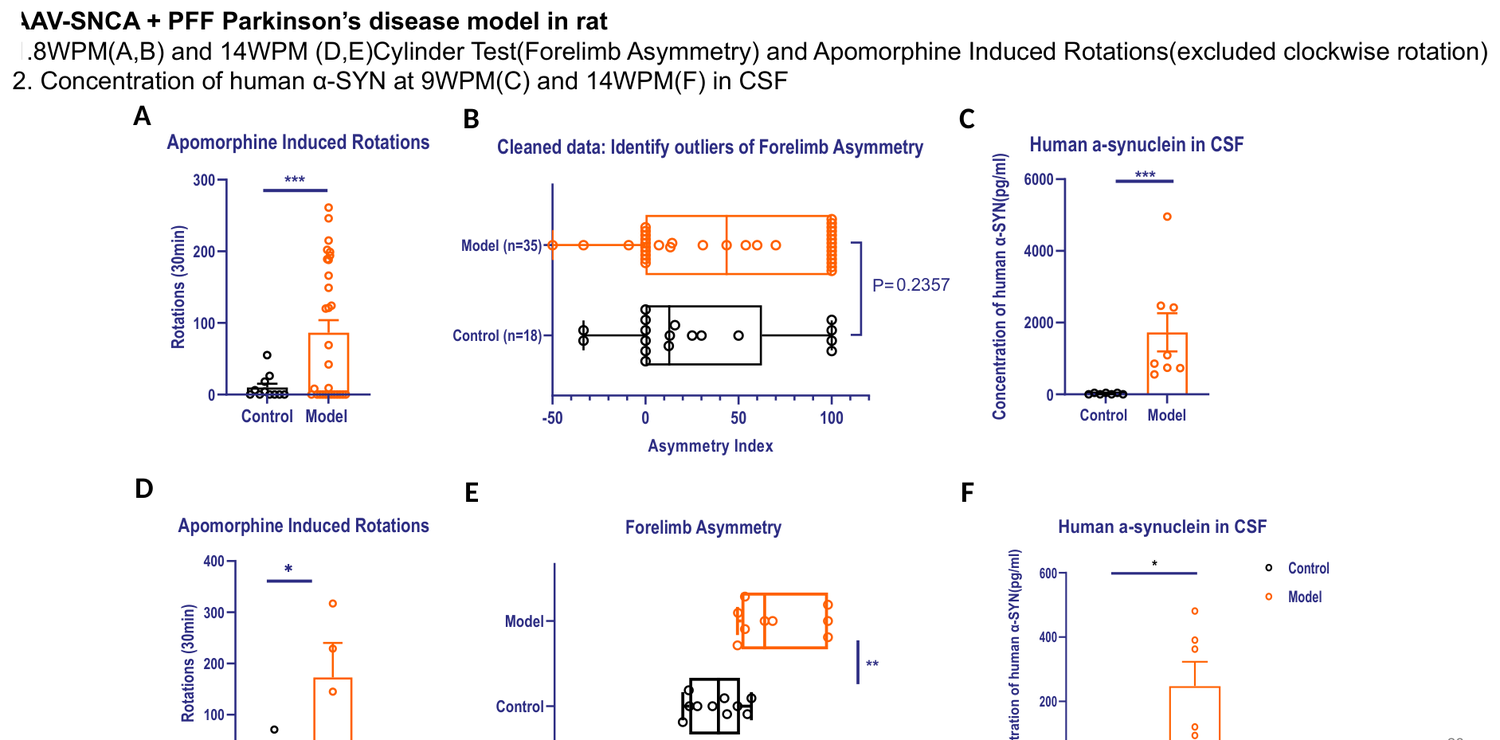
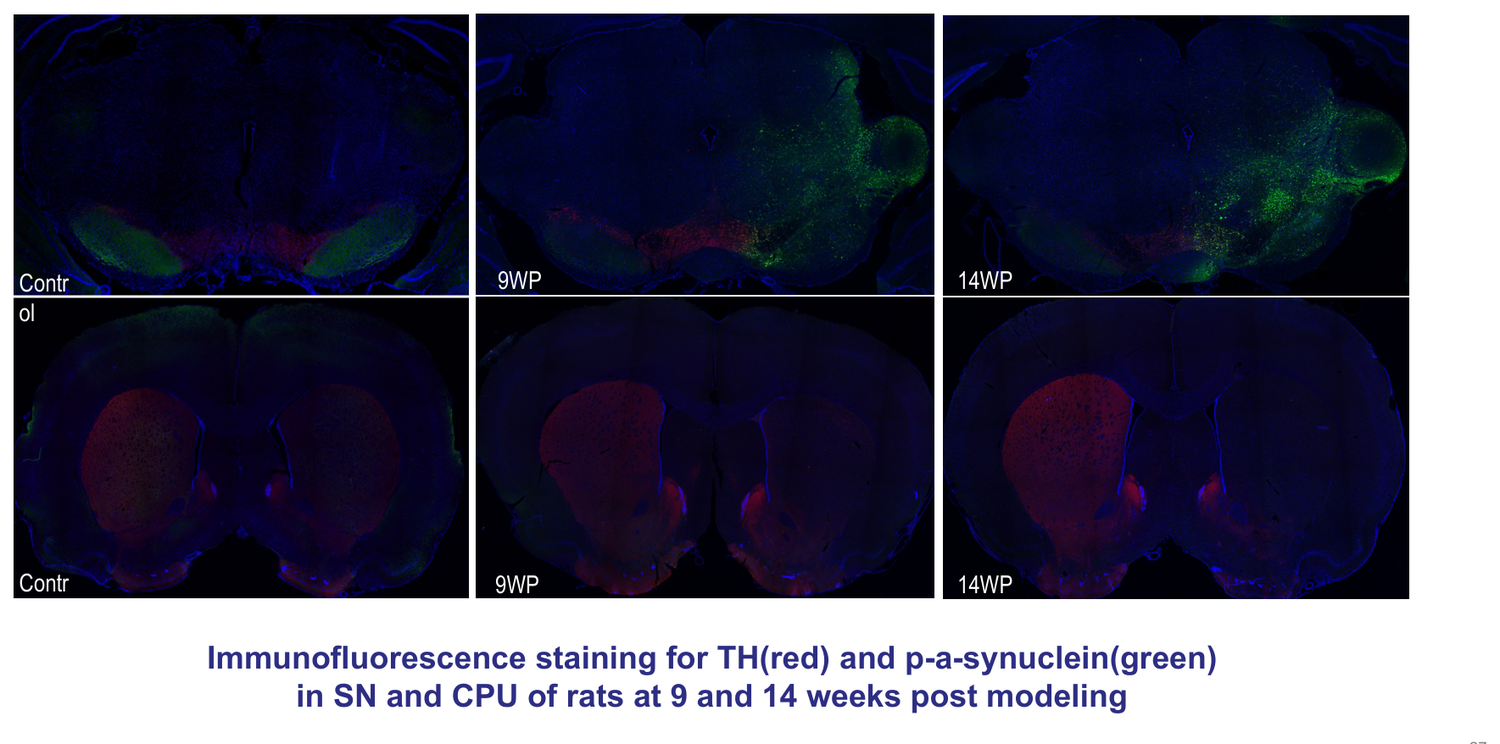
The AAV+PFF combined rat model represents a robust and pathophysiologically relevant preclinical Parkinson’s disease (PD) model constructed via stereotaxic intracerebral injection of adeno-associated virus (AAV) encoding α-synuclein together with pre-formed α-synuclein fibrils (PFFs). Exogenous PFFs act as seeds to trigger endogenous α-synuclein misfolding, aggregation and prion-like spreading throughout the nigrostriatal pathway, recapitulating the progressive propagation of Lewy pathology observed in clinical PD patients. Combined with sustained overexpression of α-synuclein driven by AAV vector, this dual-hit strategy synergistically accelerates pathological progression, leading to gradual loss of dopaminergic neurons in the substantia nigra pars compacta, depletion of striatal dopamine, and progressive motor dysfunction including bradykinesia, rigidity and forelimb asymmetry. Distinct from acute toxin-based PD models such as MPTP and 6-OHDA lesions that induce rapid neuronal injury, the AAV+PFF model recapitulates the slow, progressive pathological development characteristic of idiopathic PD. At PharmaLegacy, we have established this AAV+PFF-induced rat PD model, which can be comprehensively validated through longitudinal motor behavioral assessments, immunohistochemical detection of phosphorylated α-synuclein aggregates, TH-positive dopaminergic neuron quantification supporting efficacy evaluation for disease-modifying therapeutic candidates targeting α-synuclein pathology.
Study Timeline & Model Validation
Behavioral Assessment (Forelimb Asymmetry & Apomorphine-Induced Rotations)
Immunofluorescence Staining (TH & p-α-Synuclein)
The tools to succeed:
- 1500+ validated animal models of disease spanning 100+ indications
- 30,000+ animal capacity
- Staffing and facilities to run 200+ concurrent studies
- Scientific staff with 15+ years of experience on average
- 380,000 square feet of facilities
PharmaLegacy has the capability and capacity to advance your Parkinson’s pipeline. Contact us today.
We’re ready when you are.
Tell us your Parkinson's pipeline challenges.


