
Syngeneic Models
Accelerating immuno-oncology and translational research
Syngeneic models (mouse-to-mouse) are indispensable tools for immuno-oncology research. Because the host and tumor share the same genetic background, these models possess intact immune systems, allowing for the precise evaluation of immunotherapy agents, tumor microenvironment (TME) interactions, and immune cell infiltration.
At PharmaLegacy, we provide a comprehensive collection of well-validated syngeneic models to support your in vivo efficacy and immuno-oncology studies. Our models are backed by robust historical control data and Standard of Care (SOC) responses.

Models / Services
Intact Immune System: Ideal for evaluating immuno-oncology drugs, including checkpoint inhibitors, vaccines, and cell therapies.
Diverse Tumor Types: Covering bladder, brain, breast, colorectal, fibrosarcoma, gastric, kidney, leukemia, liver, lung, lymphoma, melanoma, myeloma, neuroblastoma, osteosarcoma, ovary, pancreas, prostate, and sarcoma.
Genetically Defined: Including luciferase-expressing (luc) models and human-PD-L1 / HLA knock-in models for precise mechanistic studies.
Validated Efficacy: Consistent tumor growth with comprehensive historical control data and SOC response profiles.
Model list:
| Cancer Type | Cell line | Cancer Type | Cell line | |
|---|---|---|---|---|
| Bladder | MB49 (luc) | Leukemia | C1498 (luc) | |
| MBT-2 (luc) | Lung | KLN205 (luc) | ||
| Brain | G422 (luc) | LL/2(LLC1) (luc) | ||
| C6 (luc)-Rat | TC-1 | |||
| GL261 (luc) | M109 (luc) | |||
| Breast | 4T1 (luc) | Lymphoma | A20 (luc) | |
| 4T1.2 (luc) | EL4 (luc) | |||
| E0771 | Mastocytoma | P815 | ||
| EMT-6 | Melanoma | B16-BL6 | ||
| JC | B16-F0 | |||
| Colorectal | CT26.WT (luc) | B16-F1 | ||
| CT26-hPDL1 | B16-F10 (luc) | |||
| B16-F10-hPD -L1 | ||||
| Colon-26 | Myeloma | MPC-11 (luc) | ||
| MC-38 (luc) | Neuroblastoma | Neuro-2a (luc) | ||
| MC-38-OVA | ||||
| MC-38-hPDL1 | Osteosarcoma | K7M2.WT (luc) | ||
| B-MC-38-hPDL1 Plus | ||||
| MC-38-hHLA-A11.1 | Ovary | ID8 (luc) | ||
| Fibrosarcoma | WEHI164 (luc) | |||
| MCA205 | Pancreases | Pan02 (luc) | ||
| Gastric | MFC | SVR (luc) | ||
| Kidney | Renca | Plasmacytoma | J558 (luc) | |
| Liver | H22 (luc) | Prostate | RM-1 (luc) | |
| Hepa1-6 (luc) | Sarcoma | Sarcoma 180 (luc) | ||
| Rabbit neoplasm | VX-2 |
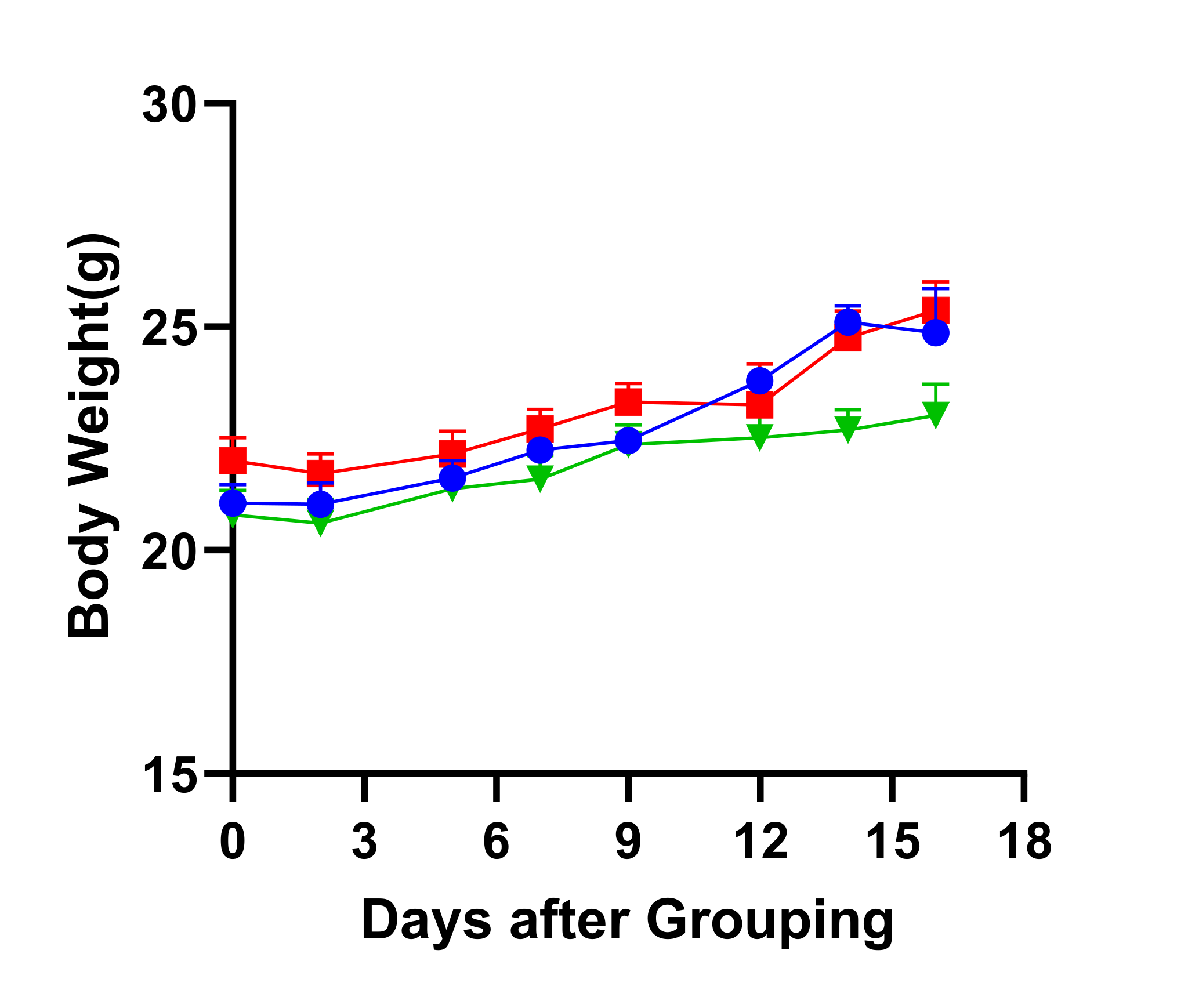
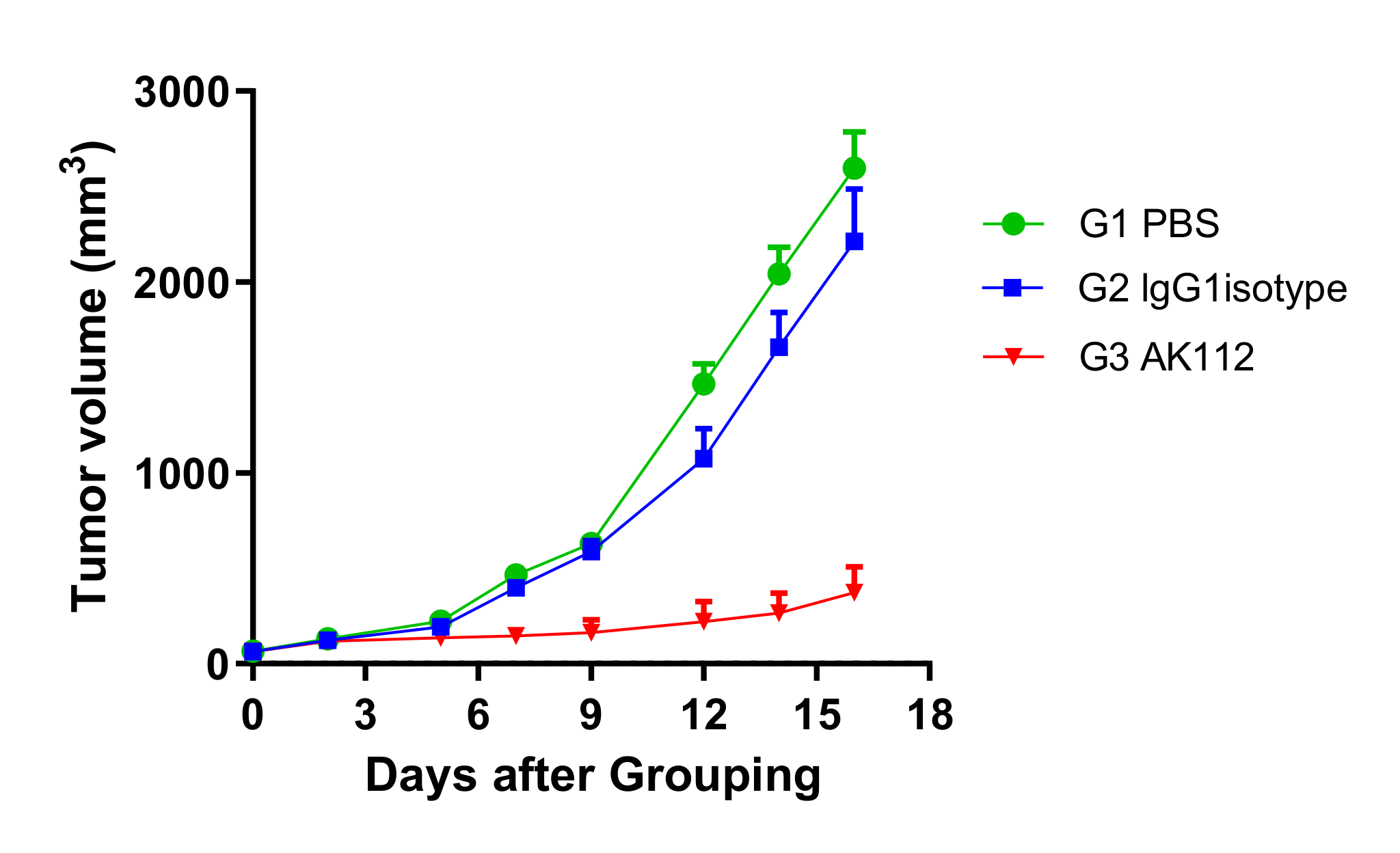
Case Study1: MC38-hPD-L1 subcutaneous xenograft in B6-hPD-1/hPD-L1/hCTLA-4 triple-humanized mice.
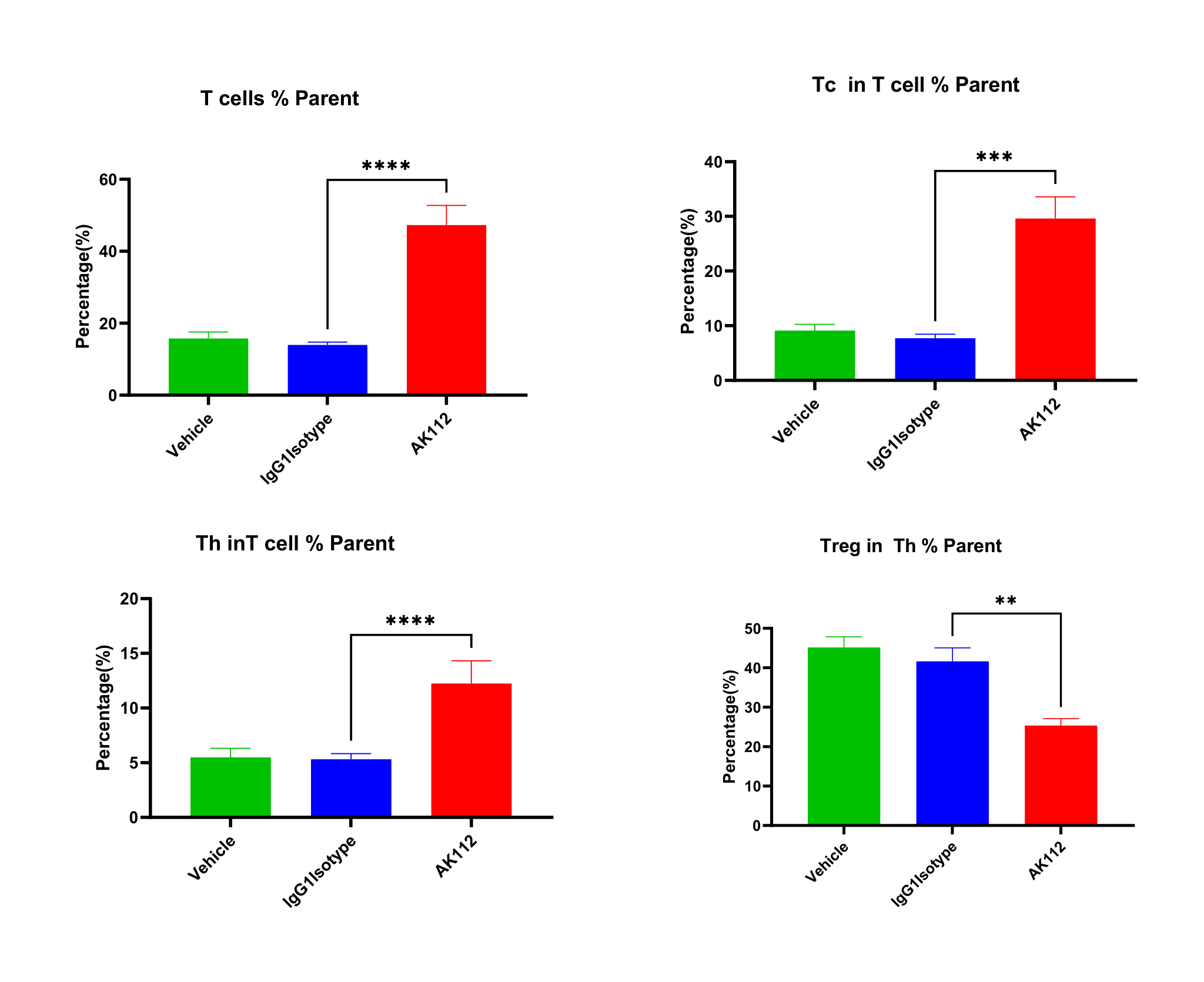
TILs profiling
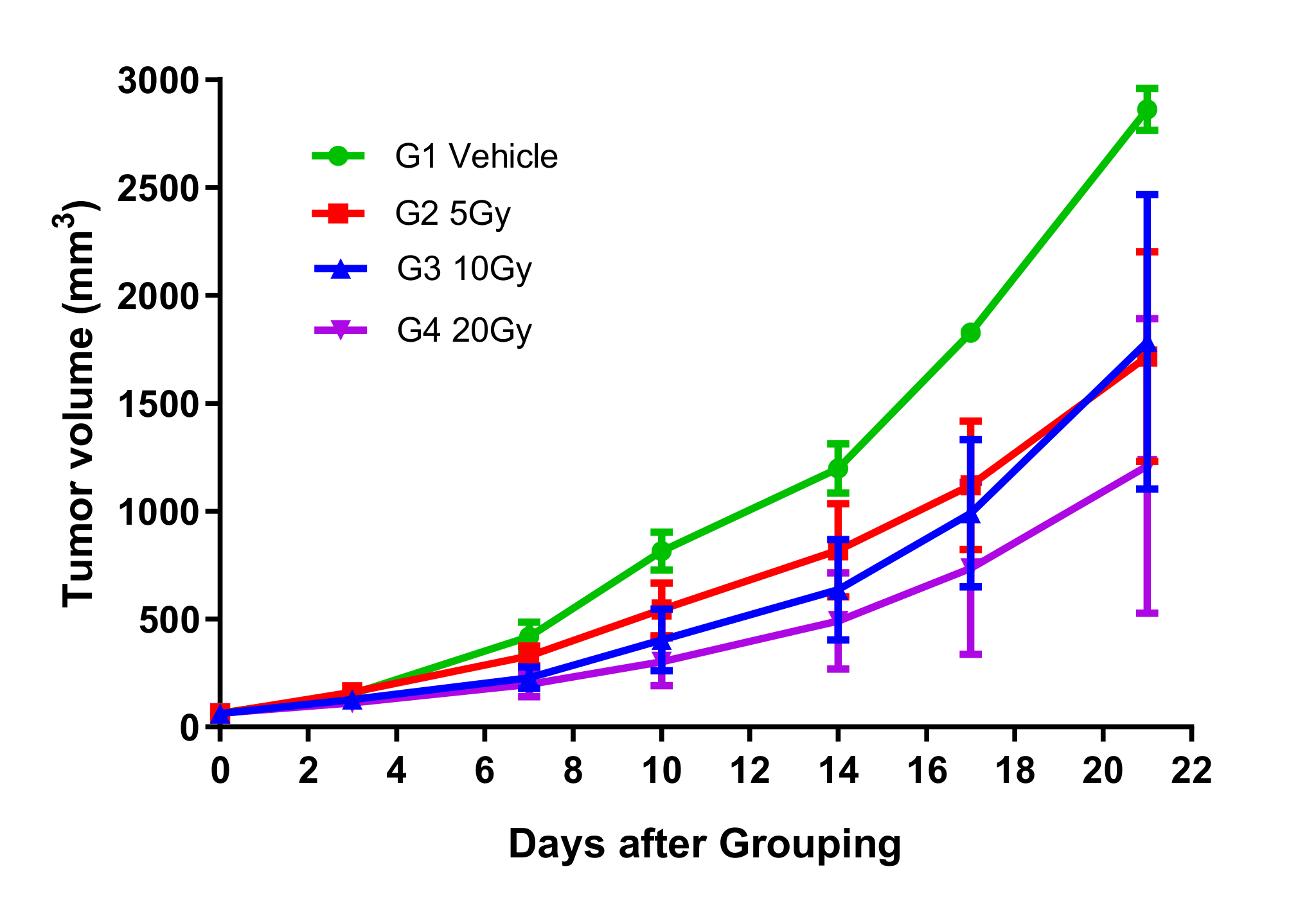
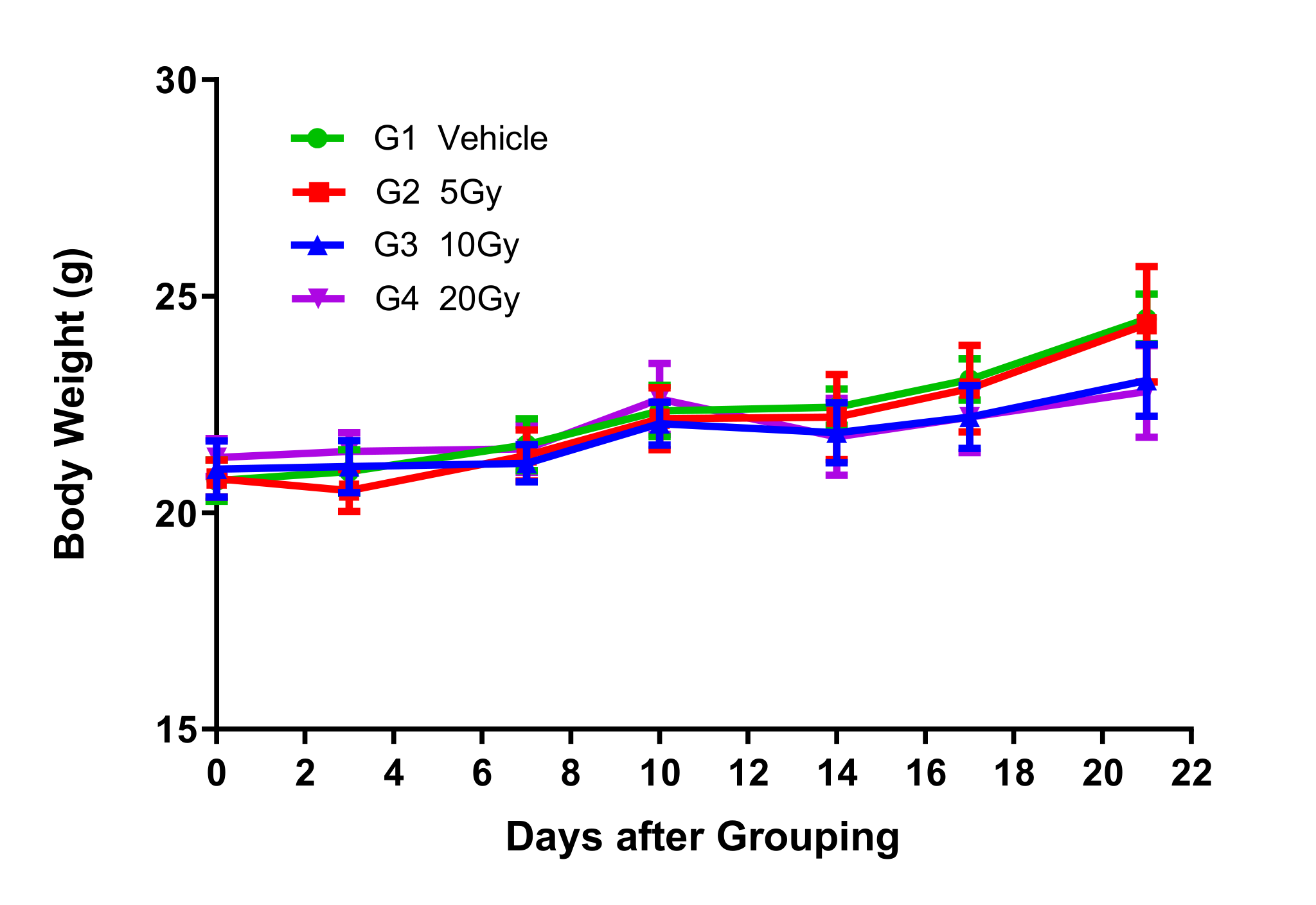
Case Study2: Single-fraction radiation therapy in the EMT-6 subcutaneous (s.c.) mode
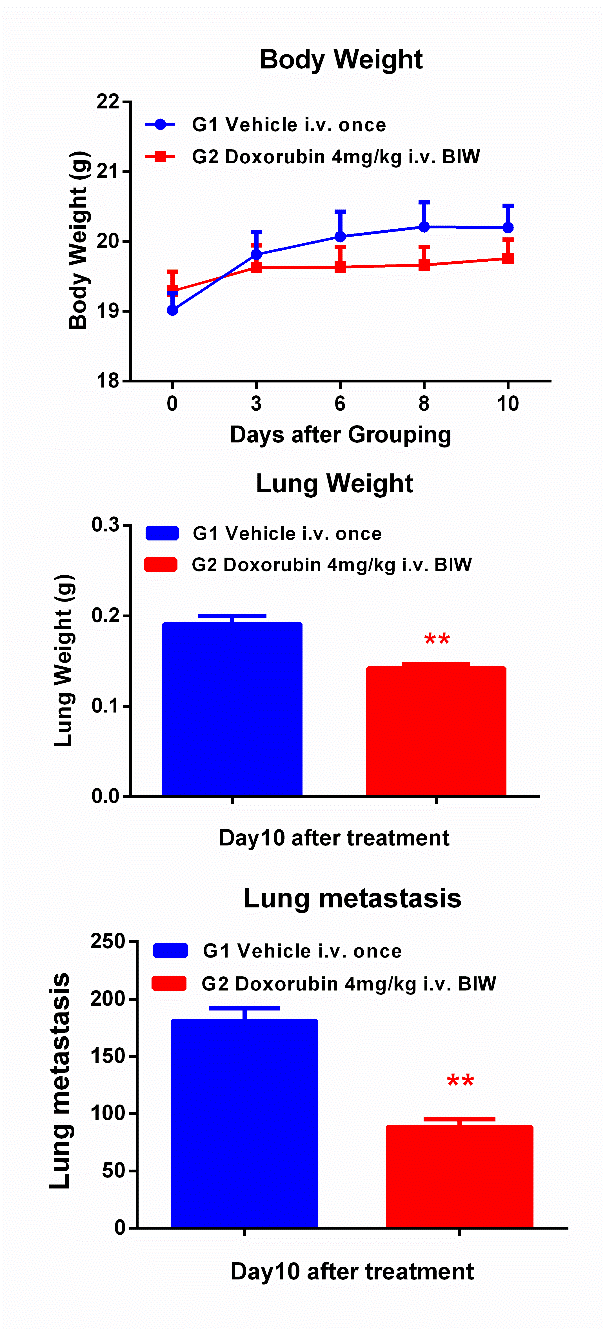
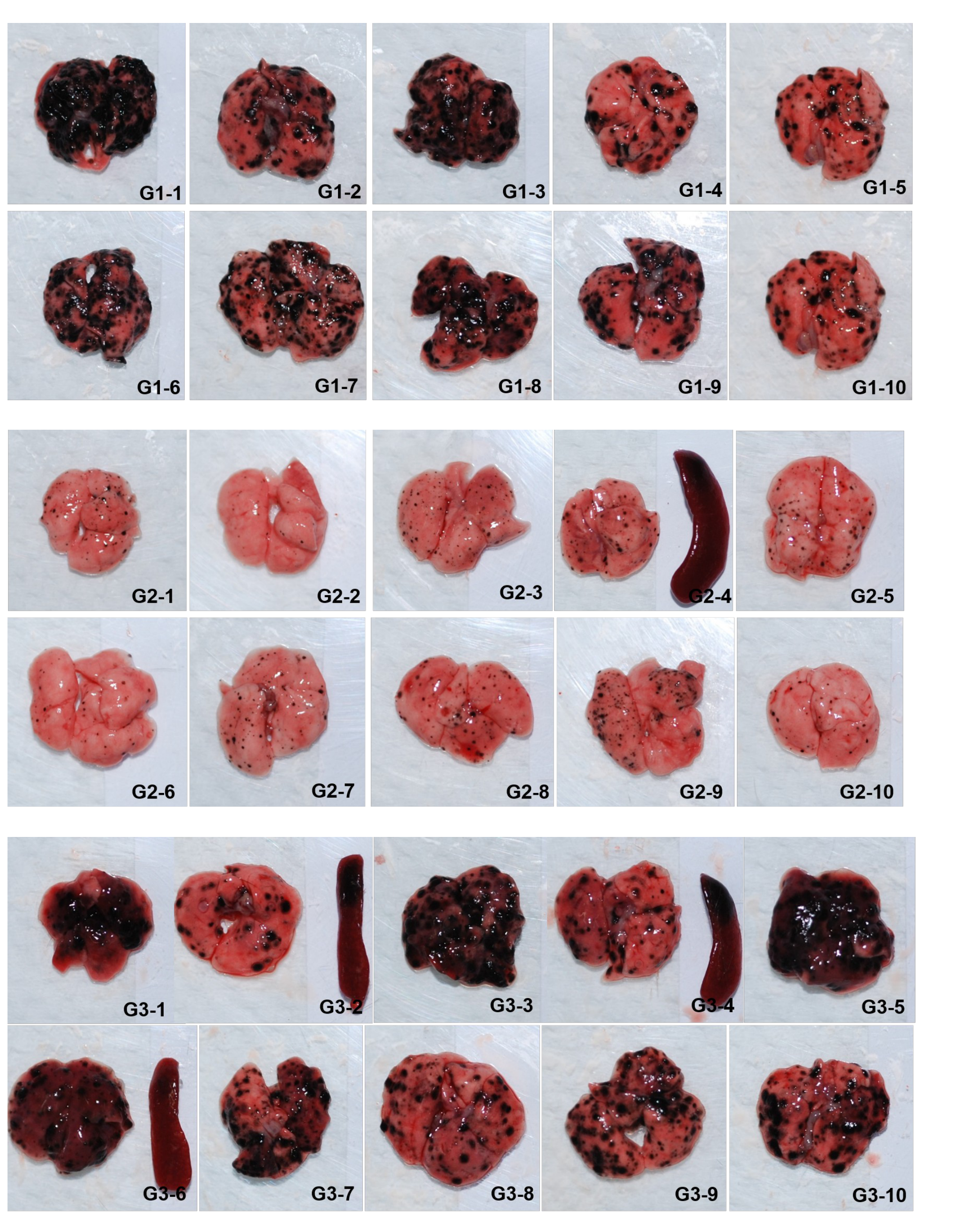
Case Study3: Lung Metastasis Model: B16F10 Melanoma in C57BL/6 Mice
We provide:
- No leading time before study initiation
- Consistent tumor engraftment with robust historical control data for reference
- Options and dosing regimen ranges for comparative and combination efficacy assessments.
- Frequent data updates (at least twice per week), timely communication, and feedback responses on project progress to facilitate data-driven decisions from target validation, in vivo proof-of-concept studies to IND enabling package.
To date, Pharmalegacy’s Oncology and Immuno-Oncology platform offers more than 700 in vivo models, including CDX (300+), PDX (350+) and syngeneic models (50+) among these, 90+ are orthotopic & experimental metastasis models, 100+ are humanized (huPBMC or HSC) models and about 30 drug resistance models. We provide multiomic profiling data for each resistance model and support indepth bioinformatic analyses. This comprehensive platform significantly improves the translational efficiency of drug discovery and accelerates the path of more anti-resistance therapeutics to clinic.
PharmaLegacy boasts extensive expertise in developing bone metastasis models, offering a thorough and comprehensive set of evaluation criteria related to bone cancer. The experimental bone metastasis models can achieve metastasis incidence rate. We provide fully validated models for bone metastasis induced by intracardiac or intratibial injections, specifically for breast and prostate cancers. Additionally, we have established several spontaneous bone metastasis models through the continuous enhancement of our surgical techniques for tumor implantation. This allows us to offer a diverse array of models of bone metastasis. Furthermore, our specialized services extend to evaluating drug mechanisms of action through in vitro tumor biology and ex vivo molecular pharmacology methods, facilitating early proof-of-concept assessments for drug development candidates.
The capability to succeed:
- Rigorous adherence to international GLP and QA best practices
- Operations and IT structured for maximum protection of clients’ data and IP
- Completed over 600 FDA / CFDA IND filings
- 120,000 square feet of vivarium space
Looking for a CRO that can deliver pipeline breakthroughs? Contact PharmaLegacy.
Top Pharmaceutical Companies Trust PharmaLegacy for their Oncology Trials
“The study they delivered on a very reasonable budget was top notch […] The model was executed flawlessly.”
See why a top-20 pharmaceutical company trusts PharmaLegacy for their preclinical immuno-oncology trials.

We’re ready when you are.
Tell us your pharmacology challenges.


